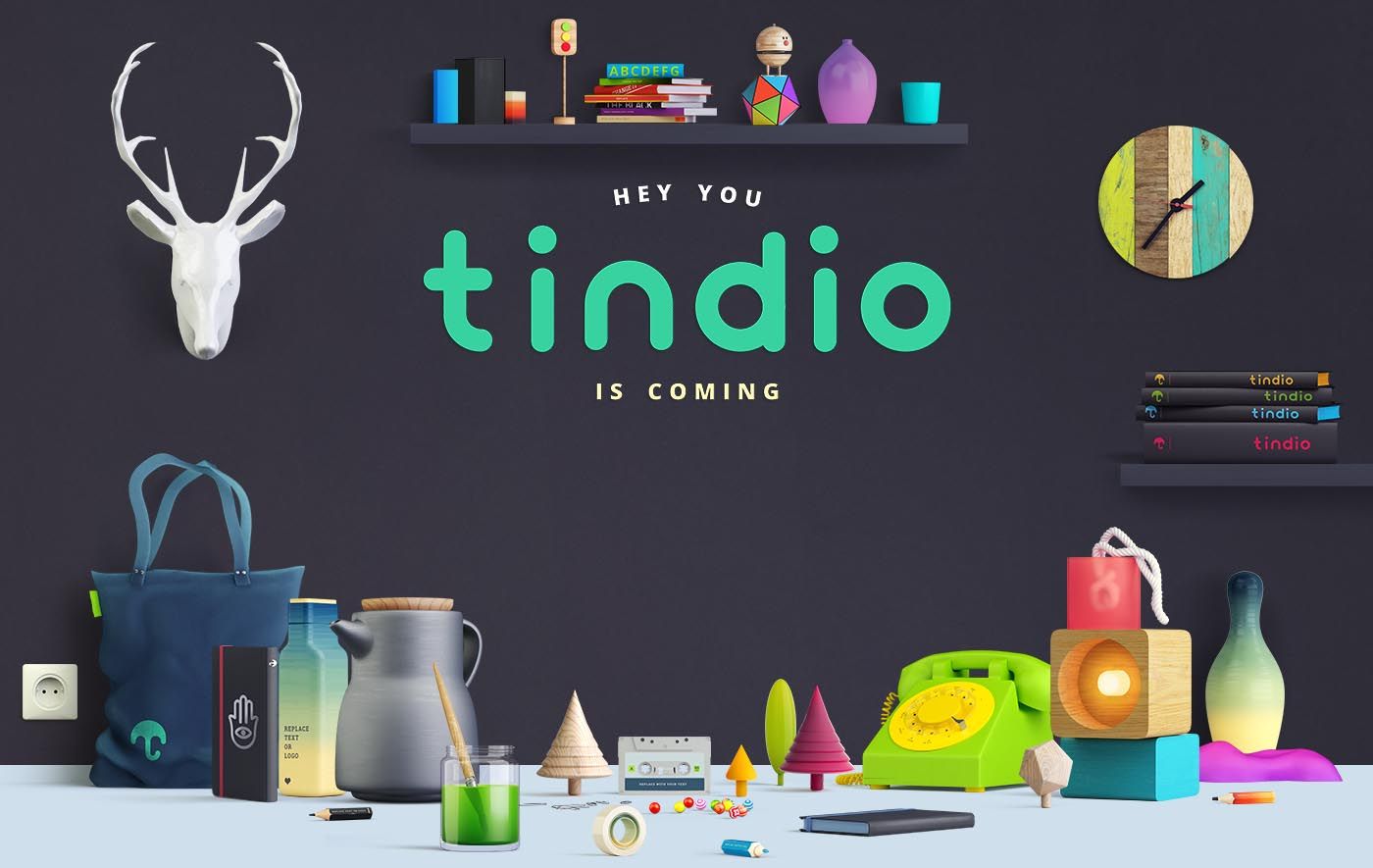
Whenever I look back at Tindio, I remember the excitement of my first startup after graduation. It takes me back to 2016: full of enthusiasm, convinced we could change something, and ready to spend our days figuring out how.
We wanted to give Egypt’s artists, handmade designers and small shops a shared home online. What followed was years of building, meeting sellers, solving problems and learning what it takes to run a marketplace.
A place for products that were hard to find
At the time, Etsy was a familiar example of what a marketplace for independent makers could be in Europe and the US. In Egypt, we saw talented people making beautiful products, but finding customers was still a struggle.
Each seller had their own way of reaching people: a Facebook page, an Instagram account, a small shop or a local market. As a customer, you often needed to know where to look before you could find what you wanted.
We kept coming back to a simple question: why don’t we bring all these products together in one place? That became Tindio.com.
From an idea to a working marketplace
The journey started long before the first order. We spent time choosing the name, finding a domain, looking for products and talking to sellers. Alongside that, we were choosing technologies and working out how the platform should feel.
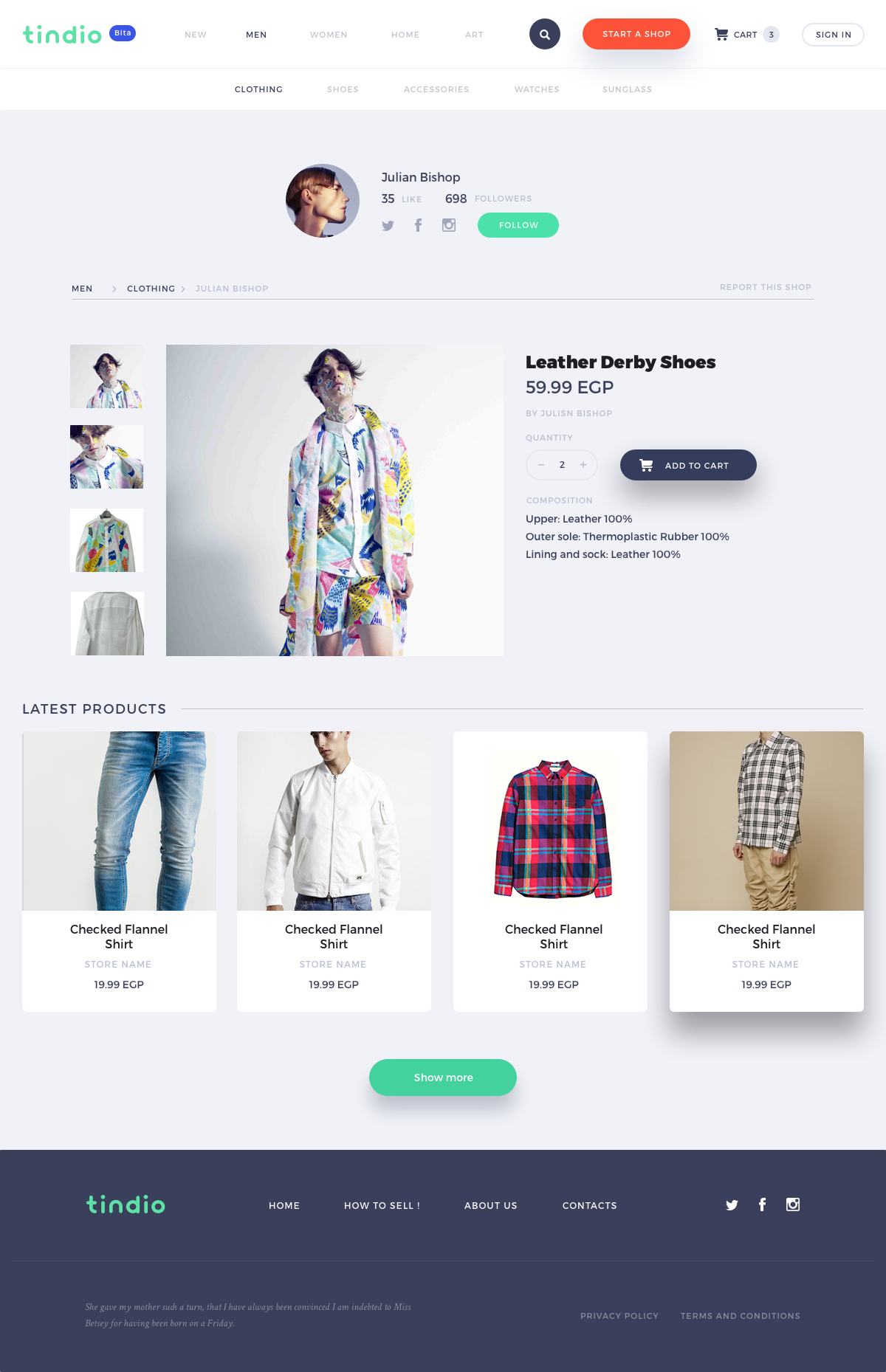
Our goal was to help shoppers discover products across different stores while giving each seller a space of their own. We designed every page, from browsing categories to viewing a product, visiting a store and managing an account.
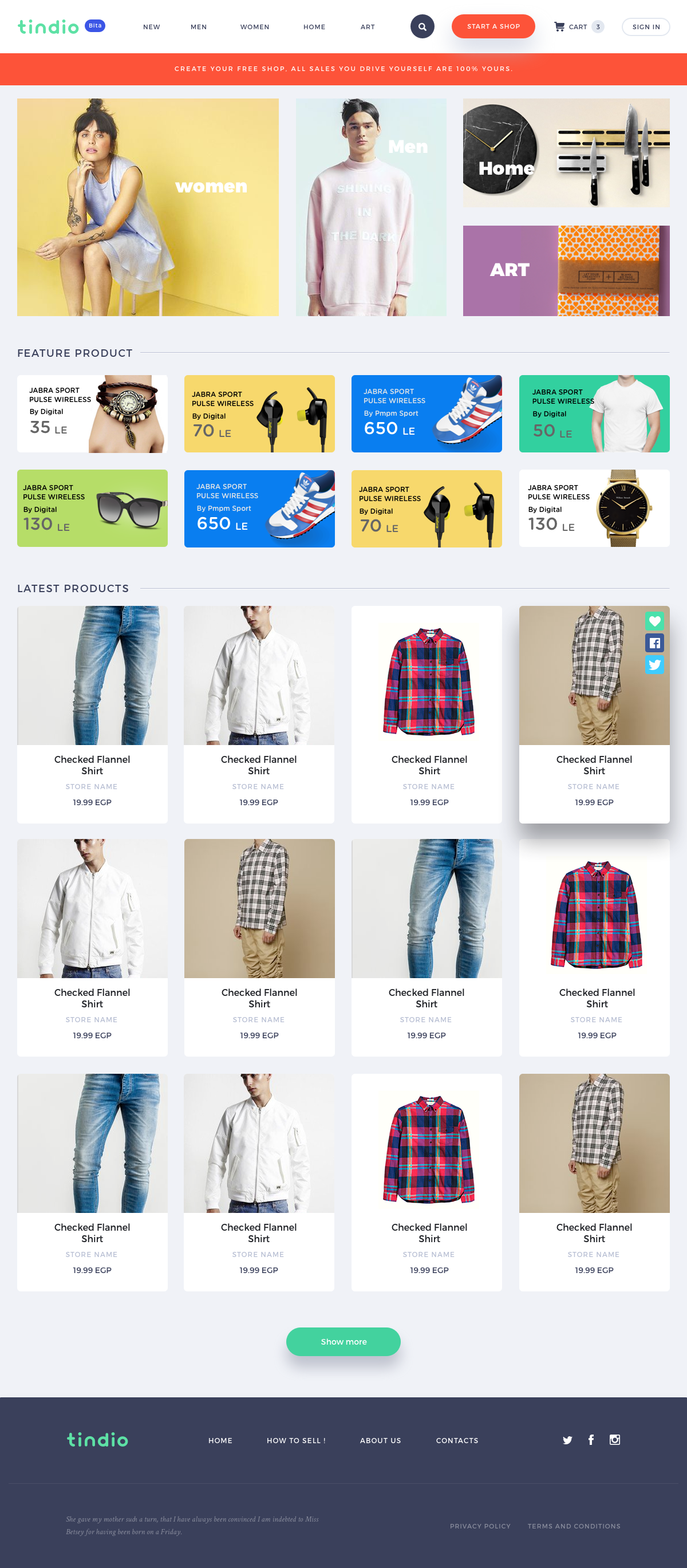
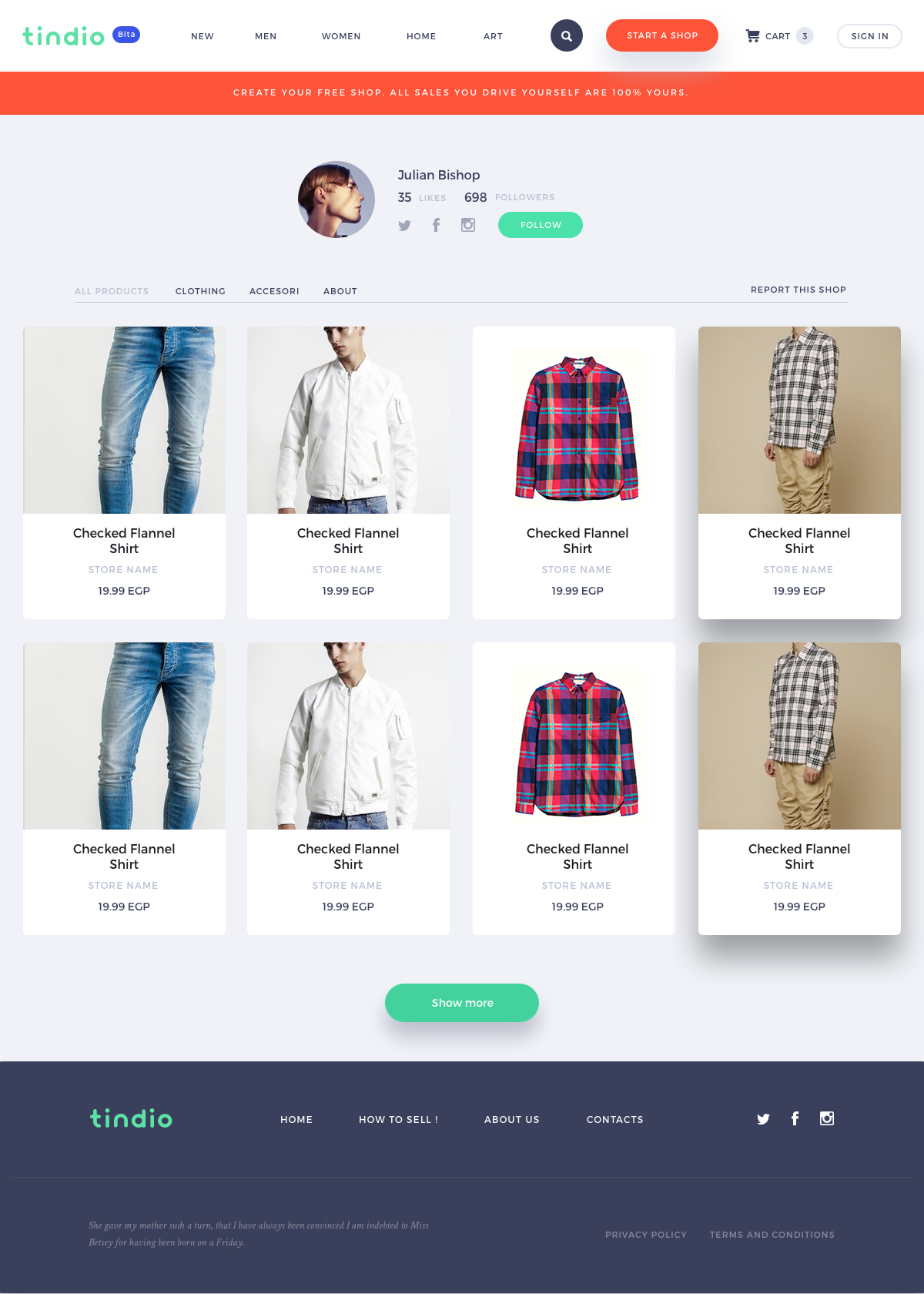
Building our own experience with Drupal
We chose Drupal because we thought an established framework with ecommerce support would help us get moving faster. It gave us a starting point, but the marketplace we wanted needed much more custom work than we had expected.
We ended up customising more than 35 Drupal modules and building dedicated themes for mobile and desktop. Translating our designs into the framework meant overriding existing templates and finding ways to introduce our own experience.
Drupal did a lot for us at the time. Looking back, though, I also believe it slowed us down in many situations. Marketplace support was limited for what we needed, so we had to build a lot ourselves.
The work also included integrating local payment gateways and dealing with the practical problems that came with running the business. A working page was only one part of a much longer process.
The makers were the reason
Over time, Tindio brought together more than 700 local stores and over 8,000 products. Thousands of orders went through the platform. Behind those numbers were people making things with care, and that is what I still remember most.
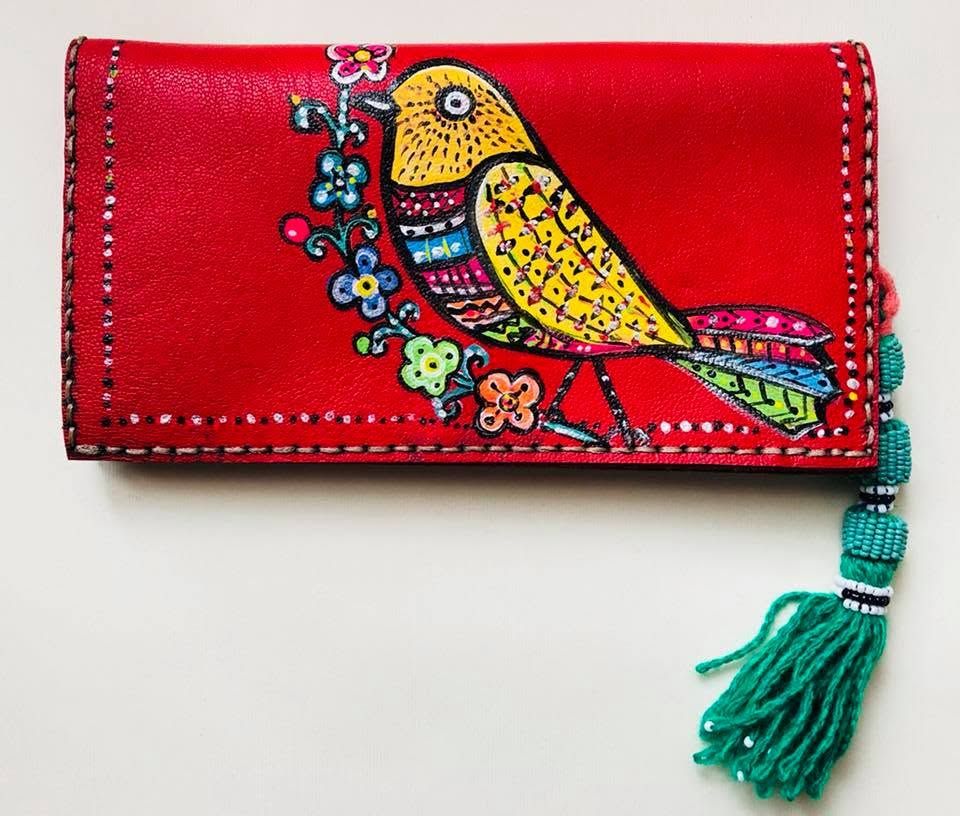
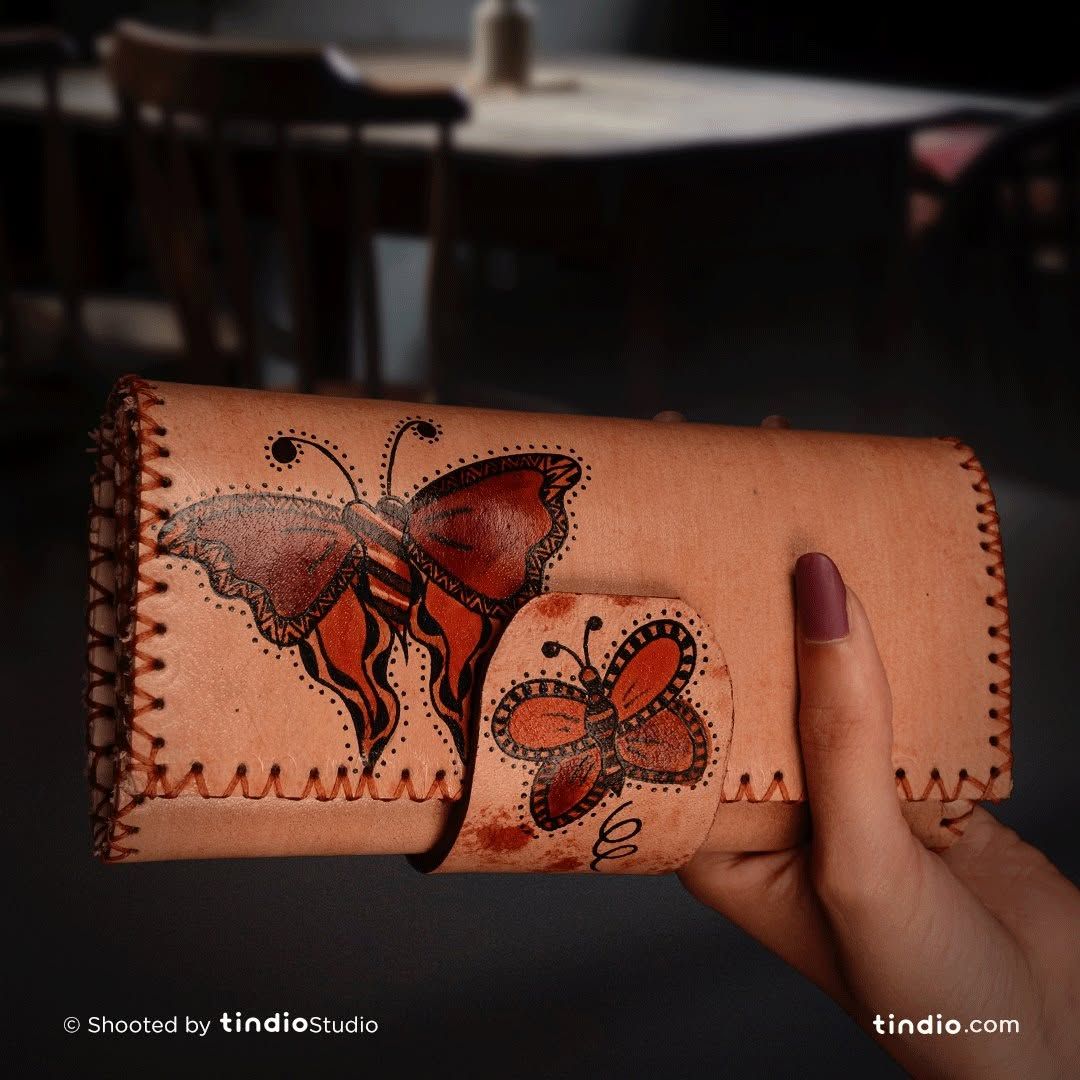
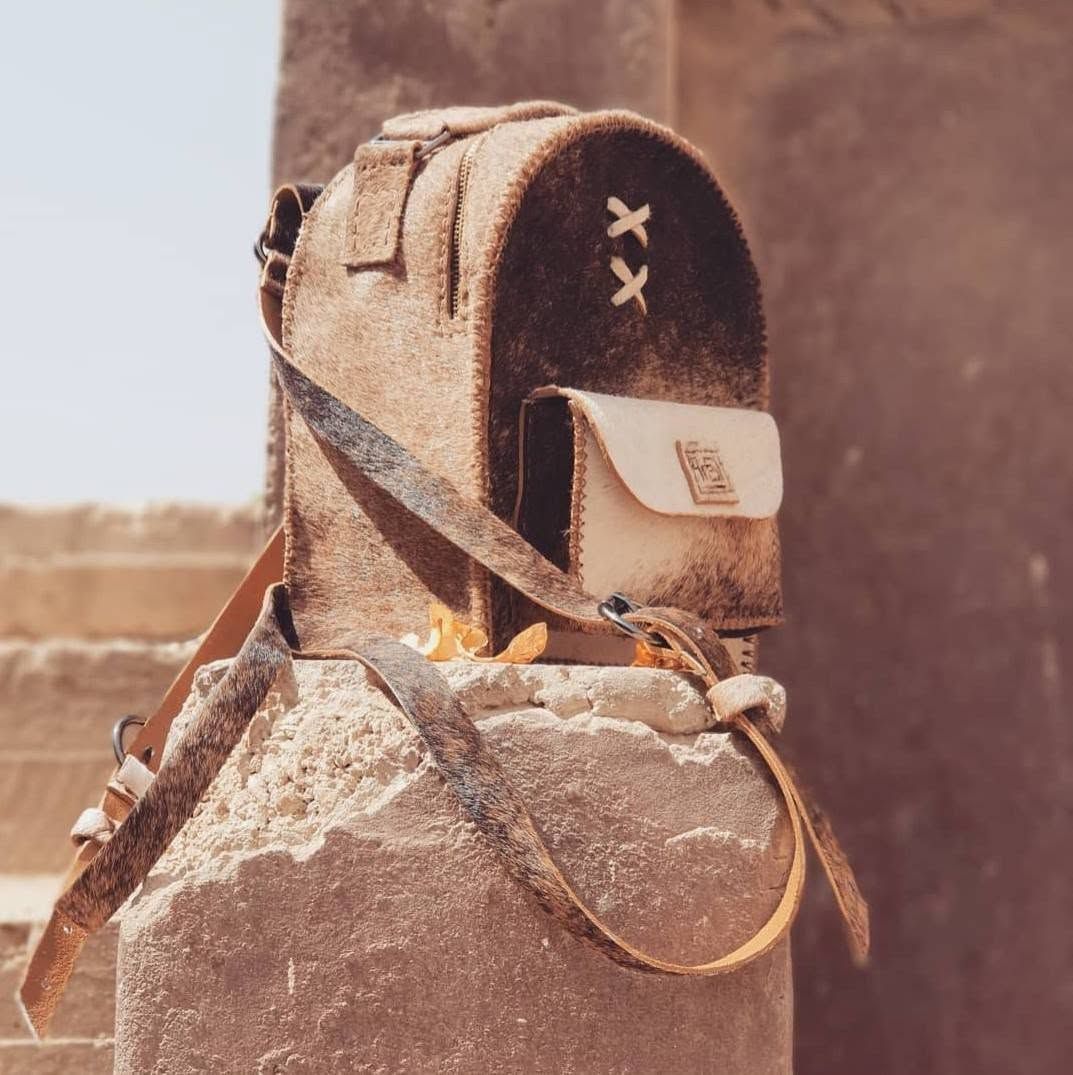
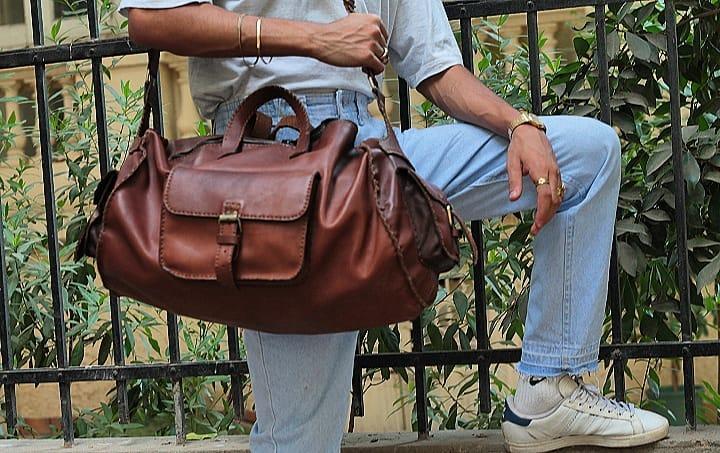
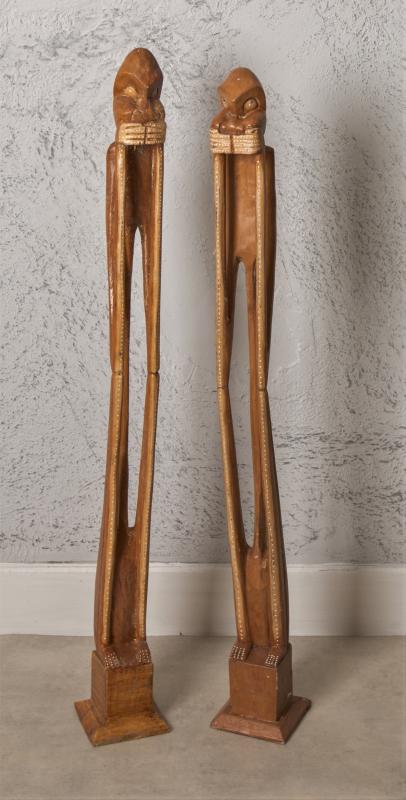
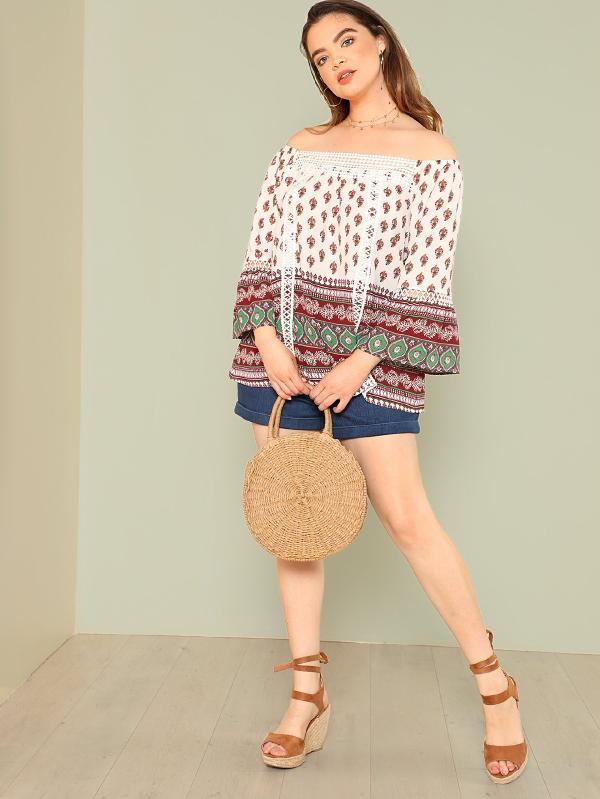
I loved the variety of products we had. These photographs from Tindio are a reminder of the talent we were trying to make easier to discover.

The hard decision to stop
Despite everything we had built, we eventually made the difficult decision to shut Tindio down. Before that happened, I had moved abroad, and keeping up with operational problems while I was outside Egypt became increasingly challenging.
I have written separately about why Tindio failed: the daily operational issues, quality control and the economics of running the marketplace. Those lessons deserve their own space.
Read the full story: Why Tindio.com Failed.
What stays with me
I still believe in the value of helping people discover these makers. From my experience, that discovery problem has not gone away. But I now understand much better how much investment and planning a marketplace needs, especially around product quality, availability and operations.
Tindio taught me to look beyond the website. The technology matters, but so do the people, the business model and everything that happens between placing an order and receiving it.
It was a hard ending to a project we had put years into. Even so, I look back on it with affection. I remember the enthusiasm we started with, the products we loved and all the things we learned along the way.
Thank you to my partner, Mohamed Boucha, the most talented UX/UI designer I have worked with. His creativity and the work we shared are a big part of why Tindio means so much to me.